Energy-Efficient HVAC Options for Indianapolis Homeowners
Published: 2026-04-14 · By ChillZone Heating and Cooling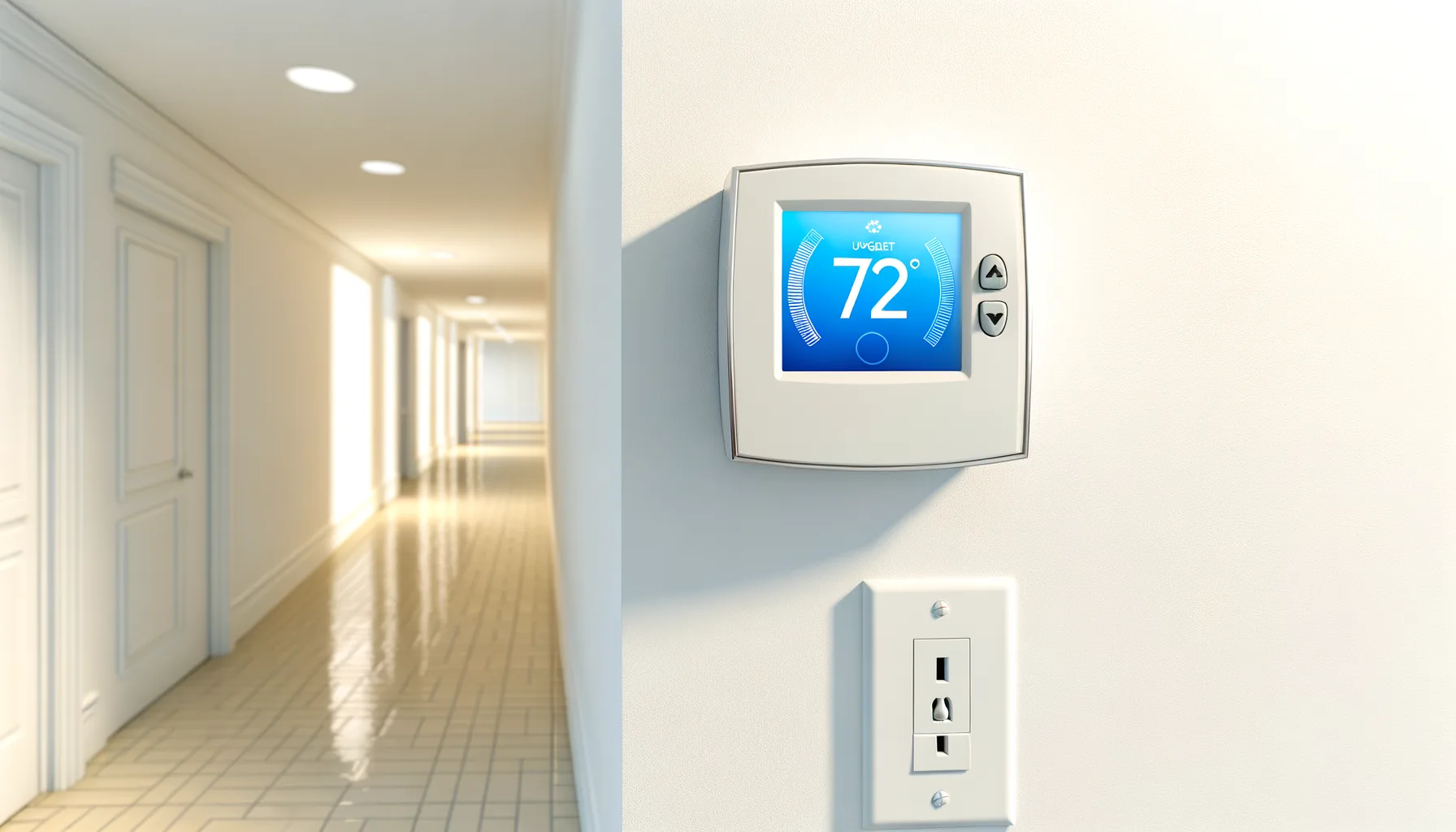
Imagine a scorching summer day in Indianapolis, where the temperature hovers around 90 degrees. You rush home to find your air conditioning system is struggling to keep up, leaving you sweltering indoors. Without efficient HVAC options, you might spend more than necessary on energy bills, while also sacrificing comfort. For Indianapolis homeowners, understanding the seasonal impact on heating and cooling systems is vital.
The local climate presents unique challenges, and making informed choices can lead to significant savings and improved indoor air quality. Let’s explore energy-efficient HVAC options that will not only better your comfort but will also align with the city's environmental goals.
Why This Matters for Indianapolis Homeowners
Indianapolis experiences a wide range of temperatures that can place a heavy burden on your HVAC system. With summers reaching the high 90s and winters dipping to the low 20s, maintaining an efficient system is crucial for any homeowner. Poor energy efficiency leads to soaring utility bills, and outdated systems often can't cope with extreme weather changes.
Moreover, homes in Indianapolis, particularly those older than 20 years, may lack adequate insulation and modern HVAC technology, further exacerbating the issue. Insufficient heating during brutal winters or ineffective cooling in summer is not just a comfort issue, but a potential health risk.
Each season can present unexpected challenges. For instance, humidity levels in the summer can encourage mold growth, affecting indoors’ air quality. Homeowners must navigate these seasonal changes effectively to ensure a comfortable living environment.
Expert Solutions & Actionable Tips
1. Invest in a Smart Thermostat
One of the simplest ways to enhance your HVAC efficiency is to install a smart thermostat. These devices learn your schedule and adjust temperatures accordingly, reducing energy waste. In Indianapolis, the cost of a smart thermostat ranges between $100 and $300, with installation typically taking less than an hour.
Users often report savings of up to 10-15% on their utility bills. You can control these thermostats remotely, ensuring your home is always at the desired temperature by the time you arrive.
2. Consider Energy Star Rated Systems
When it’s time for an HVAC upgrade, opting for an Energy Star rated system can lead to long-term savings. Installation costs for these systems in Indianapolis can vary from $5,000 to $15,000, depending on unit size and complexity. However, the energy savings can be significant, averaging around $200 per year.
Furthermore, these units often qualify for local rebates, such as those from the Indianapolis Power & Light Company, which helps offset initial costs.
3. Seal Ducts and Insulate effectively
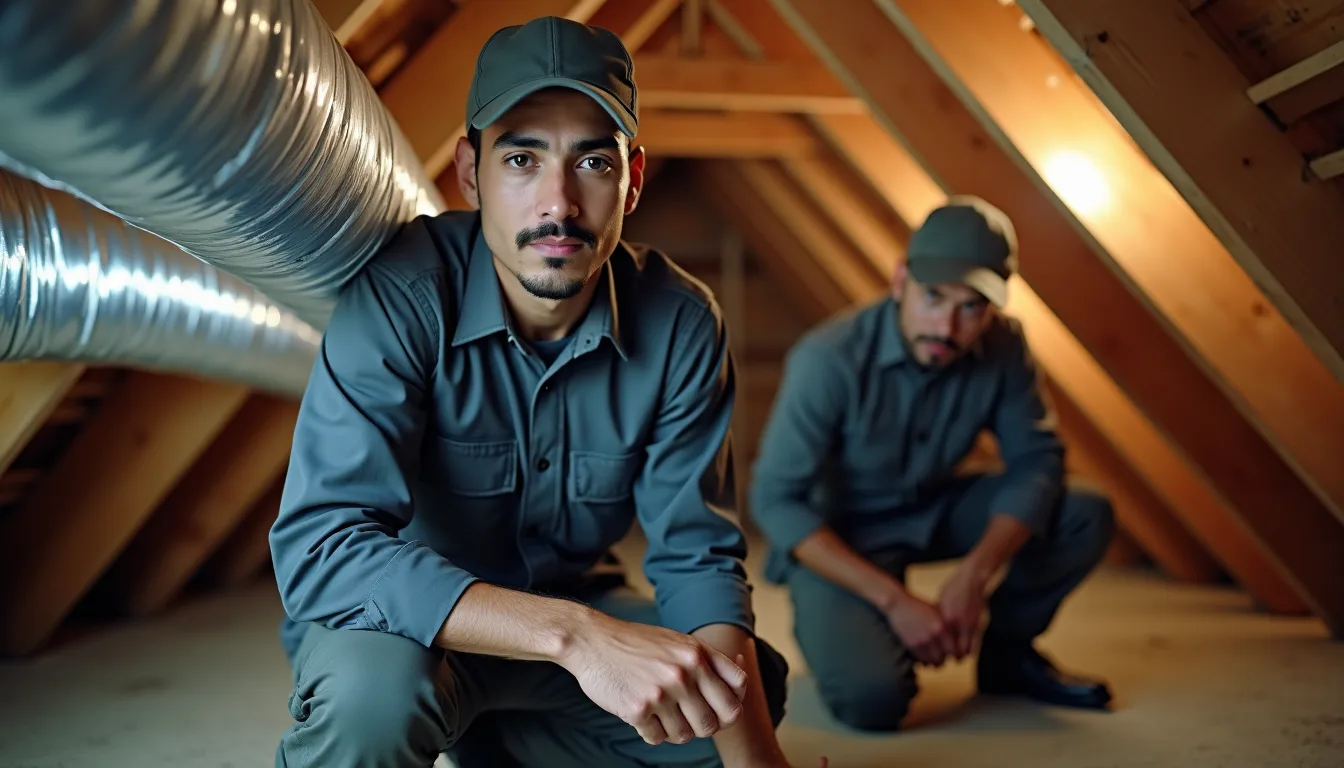
Leaky ductwork can cause significant energy loss. Consider having a professional conduct a duct inspection to seal any gaps. In Indianapolis, sealing ducts can cost between $250 and $1,000, depending on the extent of the work required.
Insulating your home is equally important; proper insulation ensures less strain on your HVAC system and can cut heating costs by 10% to 50%. Investing in insulation may seem large initially, with costs around $1,500 for an average home, but it pays off through significant savings over the years.
4. Conduct Regular System Maintenance
Regular maintenance of your HVAC system can prevent breakdowns and inefficiencies. Indianapolis homeowners should consider scheduling annual inspections before the heating and cooling seasons. A typical service call costs between $75 and $150, depending on the contractor.
Through routine checks, you can ensure your system operates efficiently, minimizing the potential for costly repairs and ensuring your comfort during extreme weather months.
5. Upgrade to Variable Speed Systems
Variable speed HVAC systems are designed to adjust the fan speed according to your home’s temperature needs. While installation has a higher upfront cost, between $7,000 and $12,000, these systems offer remarkable energy savings and can reduce energy usage by over 30% compared to conventional systems.
For Indianapolis homes, this means enhanced comfort and lower utility bills, particularly during the sweltering summers and frigid winters.
6. Consider Zoning Systems for Larger Homes
If you own a larger home in Indianapolis, installing a zoning system might be a beneficial investment. These systems allow for different areas of your home to be heated or cooled separately, increasing overall efficiency. Initial costs can range from $2,000 to $4,500.
With zoning, you can avoid overheating unused rooms or struggling to keep common areas comfortable, optimizing energy consumption and comfort levels throughout your living spaces.
Indianapolis Climate & Local Context
Indianapolis experiences a humid continental climate, characterized by hot summers and cold winters, heavily influencing local building practices. Older homes often have insufficient insulation and less efficient HVAC setups which can struggle to keep up with the fluctuating seasonal temperatures.
The local building codes require homeowners to comply with certain efficiency standards, impacting HVAC installations. When planning any HVAC improvements or replacements, it’s crucial to consult local regulations to ensure compliance and avoid pitfalls.
Additionally, local weather patterns often lead to sudden and severe storms, so having a reliable HVAC system isn’t just about comfort; it’s about safeguarding your home against potential damage from temperature fluctuations and humidity.
When to Call a Professional
When it comes to HVAC work, knowing when to DIY and when to hire a professional can save you both time and money. For minor maintenance such as changing filters or cleaning ducts, a DIY approach may suffice.
However, complex issues typically require professional assistance. Here are some red flags that warrant a call to an HVAC technician:
- Unusual noises emanating from your system
- Poor airflow despite thermostat settings
- Increased energy bills without explanation
- System short-cycling frequently
- Rising humidity levels indoors
- Age of the system exceeds 15 years
- Visible rust or leaks
Taking action promptly can prevent minor problems from escalating into costly repairs, protecting your home’s comfort.
Frequently Asked Questions
What HVAC system is best for a home in Indianapolis?
The best HVAC systems for homes in Indianapolis are energy-efficient models with high SEER ratings, as they are better suited for managing hot summers and cold winters.
How often should I service my HVAC system?
It's recommended to have your HVAC system serviced at least once a year, preferably before the heating or cooling season begins.
Can I replace just my AC unit?
Yes, you can replace your AC unit separately, but it's often advisable to consider the age and condition of the entire system.
How can I improve my home’s energy efficiency?
Insulating your home, sealing ducts, and maintaining your HVAC system are excellent ways to enhance energy efficiency.
Do I need permits for HVAC work in Indianapolis?
Yes, many HVAC installations and major repairs require permits in Indianapolis, so it’s critical to check local regulations beforehand.
Get Expert HVAC Service in Indianapolis
Ready to improve your home’s HVAC system? Contact ChillZone Heating and Cooling today for a consultation tailored to your needs. Our experienced team understands the unique challenges of Indianapolis’s climate and is here to assist you.
Don’t wait until the weather changes—call (463) 275-3949 to ensure your home stays comfortable all year round!